Projects
ALRTA developed the Effluent Code of Practice with input from a wide range of industry stakeholders, including transporters, producers, regulators, and animal welfare groups.
This comprehensive code provides practical guidelines for managing livestock effluent during transport, helping to reduce spillage, improve road safety, and enhance animal welfare. By addressing environmental and public health impacts, the code contributes to cleaner roads and better public amenities, creating a more responsible and sustainable rural transport industry.
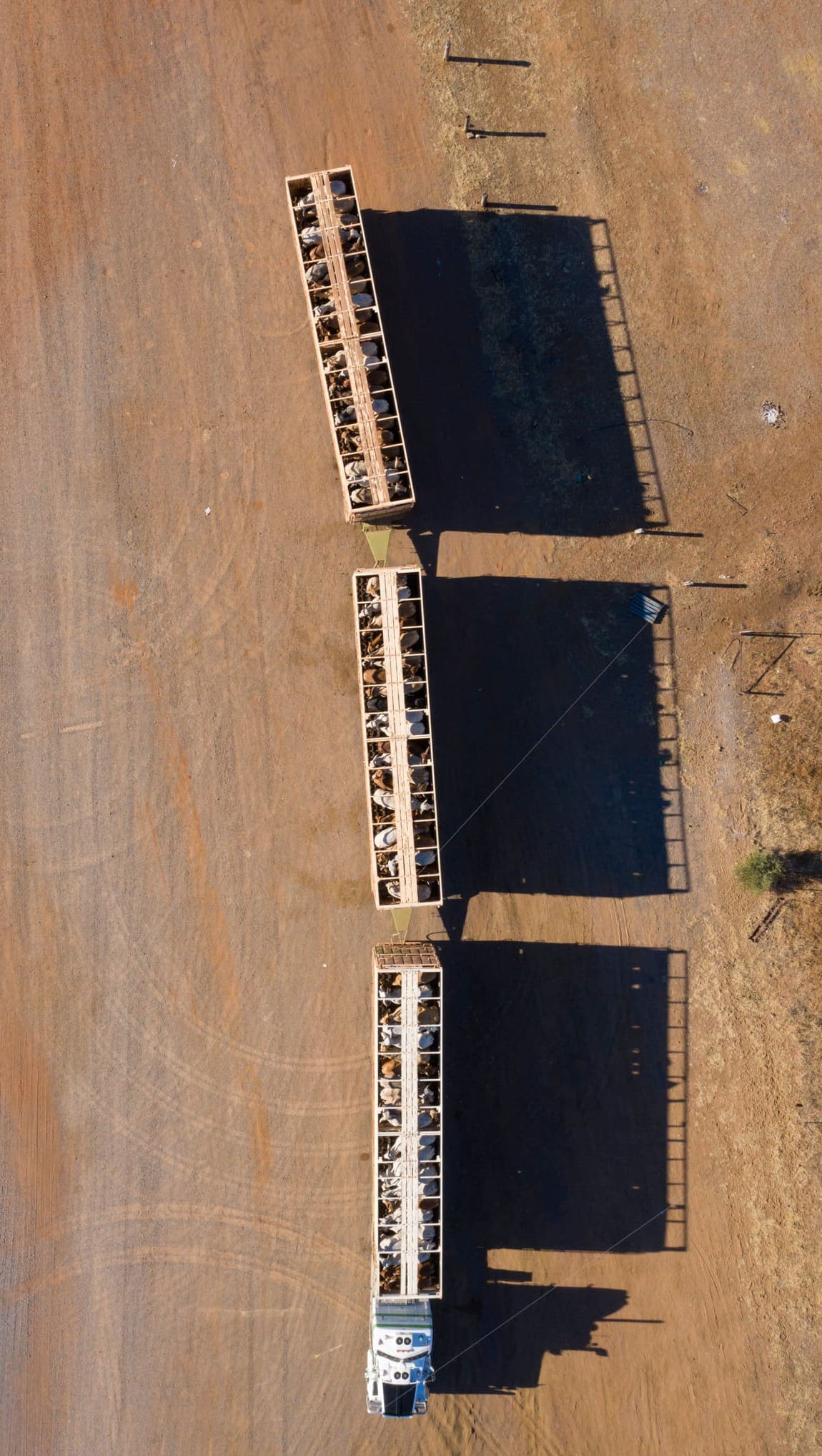
Effluent Spillage
Unavoidable during livestock transport, impacting road safety and community amenity.
Compliance
Helps meet HVNL requirements, ensuring all parties in the Chain of Responsibility (CoR) manage effluent effectively.
Safety
Enhances road safety and worker health.
Animal Welfare
Improves conditions for livestock.
Environmental Protection
Reduces environmental risks.
Community Support
Maintains community backing for the industry.
Court Evidence
Can be used as evidence in legal settings.
Investigation Tool
Helps compliance officers identify noncompliance causes.
Safety Management System (SMS)
Recommends integrating all risk management elements into a single system.
Have feedback on the Effluent Code of Practice? We welcome input from across the industry. Comments can be sent to codes@nhvr.gov.au, or reach the ALRTA office at office@alrta.org.au or (02) 6247 5434.