News & Media
Stay informed and industry-ready with the latest news, media releases, and newsletters from ALRTA.
Latest Updates
Live from ALRTA's Fortnightly News — published via HubSpot.
%20(1).jpg)
grass%20clean.jpg)

Media Releases
12 May 2026
Budget delivers $10.7bn fuel package but leaves rural freight roads behind
Australia’s livestock and rural transport sector has welcomed the Federal Budget’s $10.7 billion fuel reserve and facility, but says the Government has failed to match that investm…
23 Apr 2026
MAJOR REFORMS PROPOSED TO STRENGTHEN RURAL FREIGHT SECTOR AND BOLSTER PRODUCTIVITY
The Australian Livestock and Rural Transporters Association (ALRTA) will today appear before the Parliamentary Select Committee on Productivity in Canberra and propose major reform…

10 Apr 2025
ALRTA 40th Anniversary Gala Evening and Awards night
The ALRTA celebrated our 40th Anniversary in style with a huge Gala dinner and awards night attended by over 320 people. This included 8 life members of the ALRTA. The Rural Transp…
25 Mar 2025
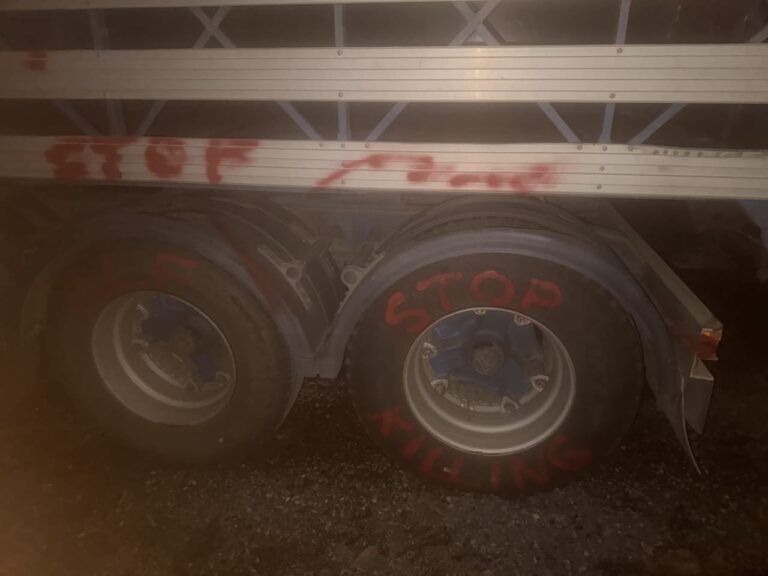
Livestock carrier organisations condemn illegal activism
The Livestock, Bulk and Rural Carriers Association (LBRCA) and the Australian Livestock and Rural Transporters Association (ALRTA) have responded to extensive damage to livestock v…
20 Feb 2025
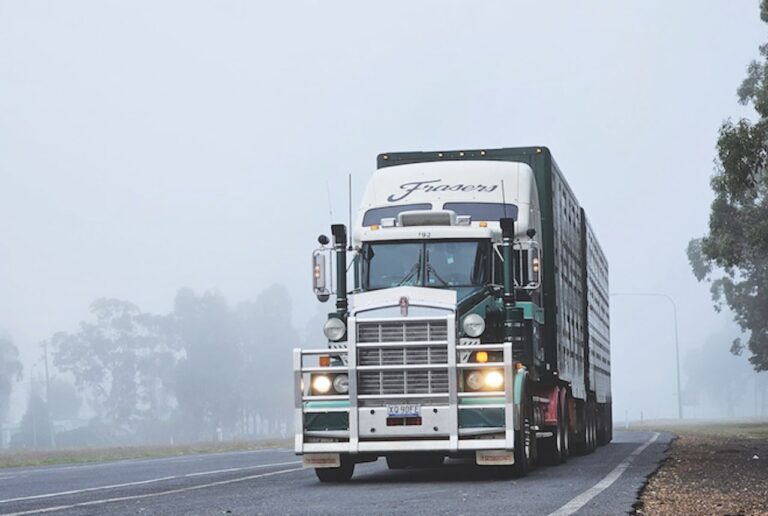
Braking Bad
The Australian Livestock and Rural Transporters Association is launching its ‘Braking Habits’ project to encourage better safety in the livestock transport industry through the use…
14 Nov 2024
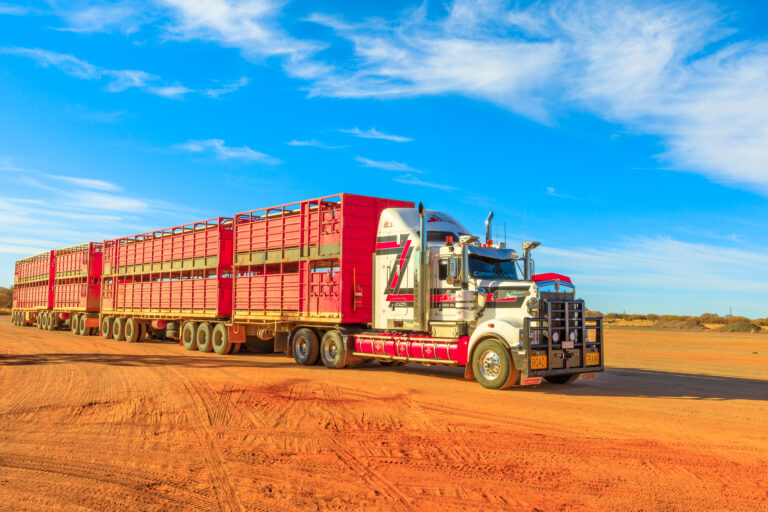
ALRTA Welcomes New Executive Leadership
The Australian Livestock and Rural Transporters Association (ALRTA) proudly announces the appointment of its new Executive Committee following the Annual General Meeting (AGM) held…
23 Aug 2024
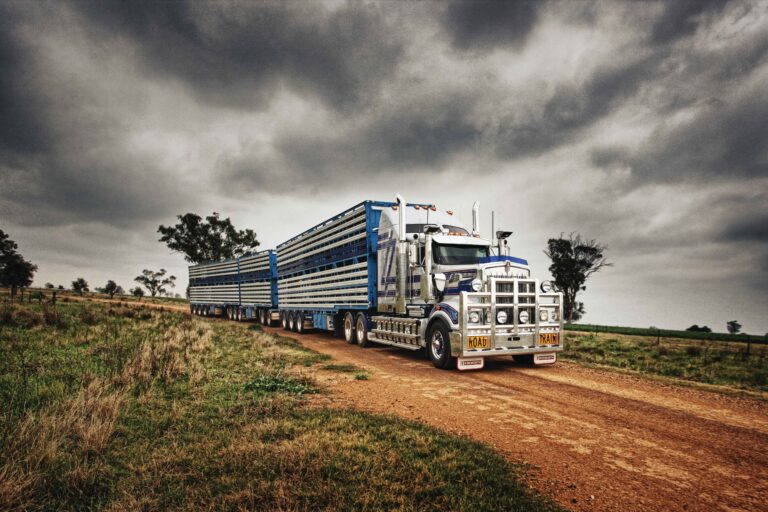
RAISING AWARENESS OF THE EFFLUENT CODE
The Australian Livestock and Rural Transporters Association (ALRTA), together with the National Heavy Vehicle Regulator (NHVR), will launch a campaign to promote a registered code …

23 Aug 2024
Australian Livestock and Rural Transporters Association (ALRTA) welcomes the Government’s decision to carve out livestock from Closing Loopholes Bill
Closing Loopholes Bill has now passed through Parliament and it was publicly acknowledged there would be a carve out for livestock transport in the regulations. ALRTA thank Ministe…
23 Aug 2024
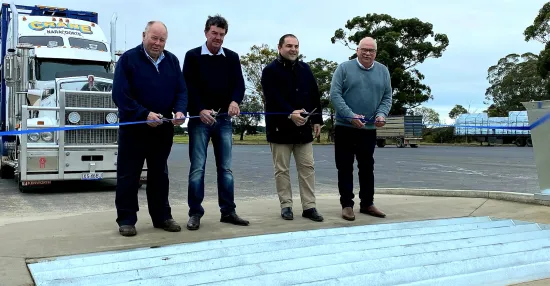
PARTNERSHIP DELIVERS LIVESTOCK EFFLUENT DISPOSAL POINT
A new livestock effluent disposal pit at the Mount Gambier and District Saleyards is now available to all livestock transporters. An official opening was hosted by District Council…
23 Aug 2024
Australian Livestock and Rural Transporters Association (ALRTA) stands by action to seek livestock exemption from Fair Work Commission (FWC) powers
ALRTA stands by the outcome of many months of commonsense discussion and advocacy with the Crossbench and Government to win amendments to the Fair Work Legislation Amendment (Closi…
24 Aug 2021
Australian Livestock and Rural Transporters Association (ALRTA) and TruckSafe announces carriage of Animal Welfare Accreditation
Working with the TruckSafe Board, ALRTA will review, design, and relaunch a world class Animal Welfare Accreditation program for the road transport of animals within Australia in p…